
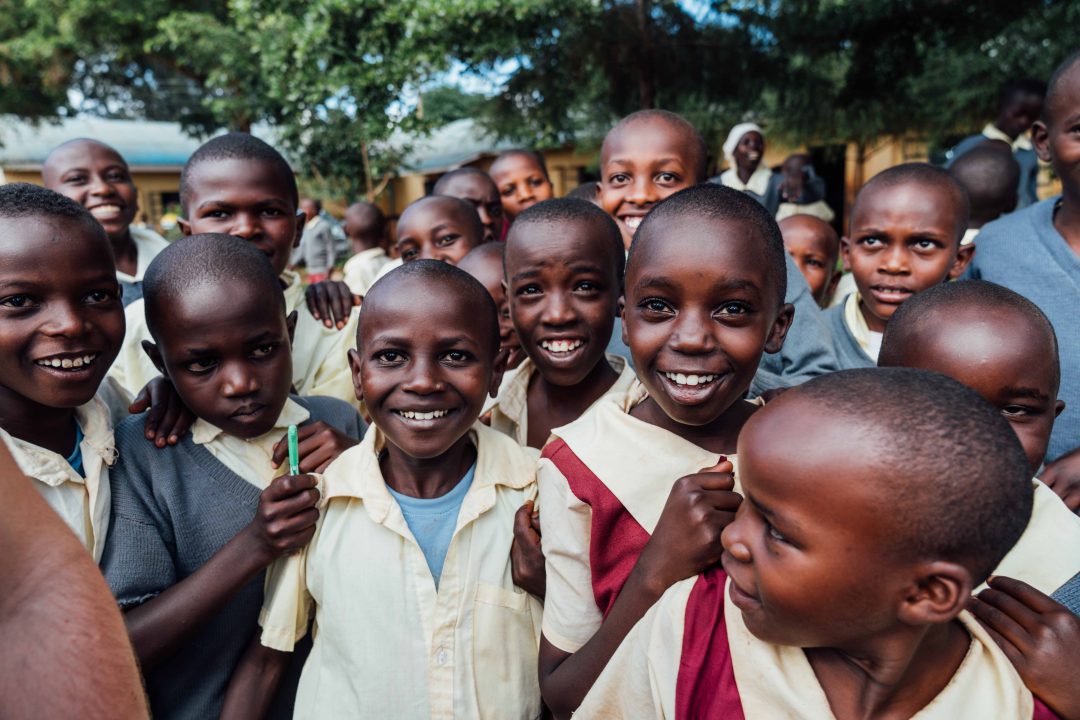
Macheo helps with compassion in the most effective way.
Join usFounder Macheo
Therefore we choose the most promising action from our “toolbox” for each child individually.
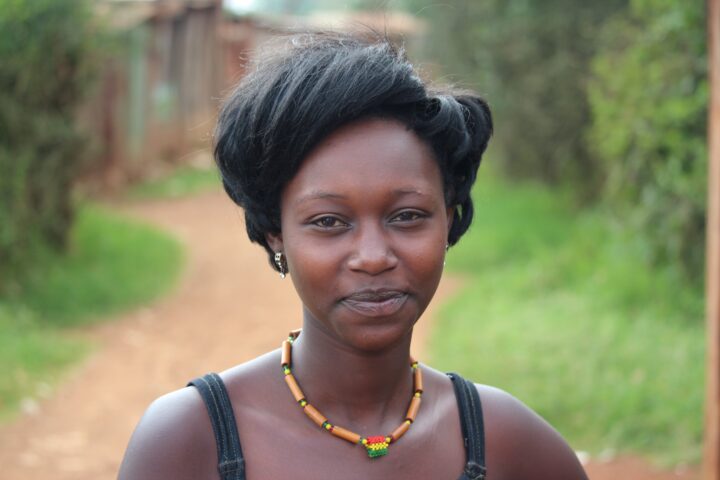
Catherine received mental and practical assistance: she and her children were in danger. Macheo negotiated the hospital bills.
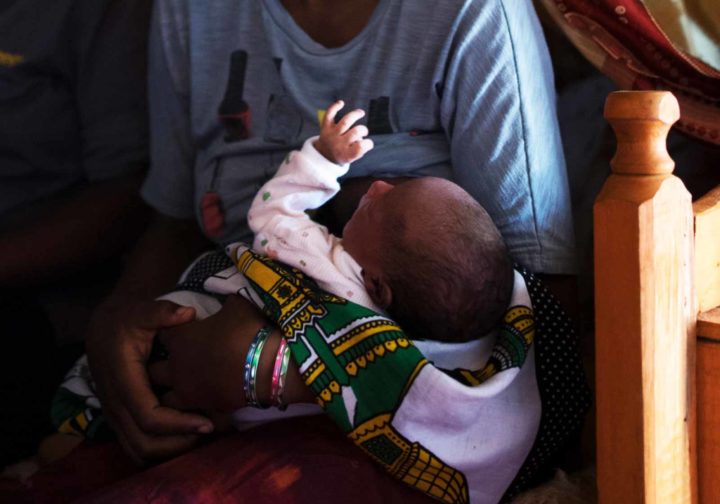
Lucy was abandonded at birth, but was able to grow healthy and develop well in Macheo's baby house and is…
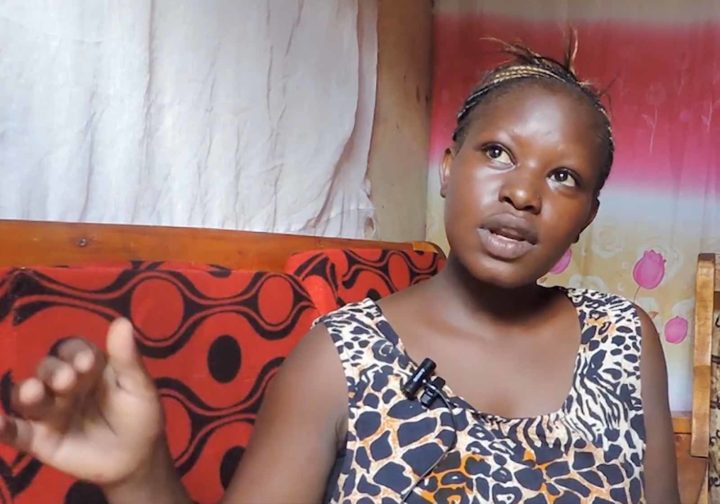
Teenage mother Mary now makes a living for her and her children with her sewing machine.
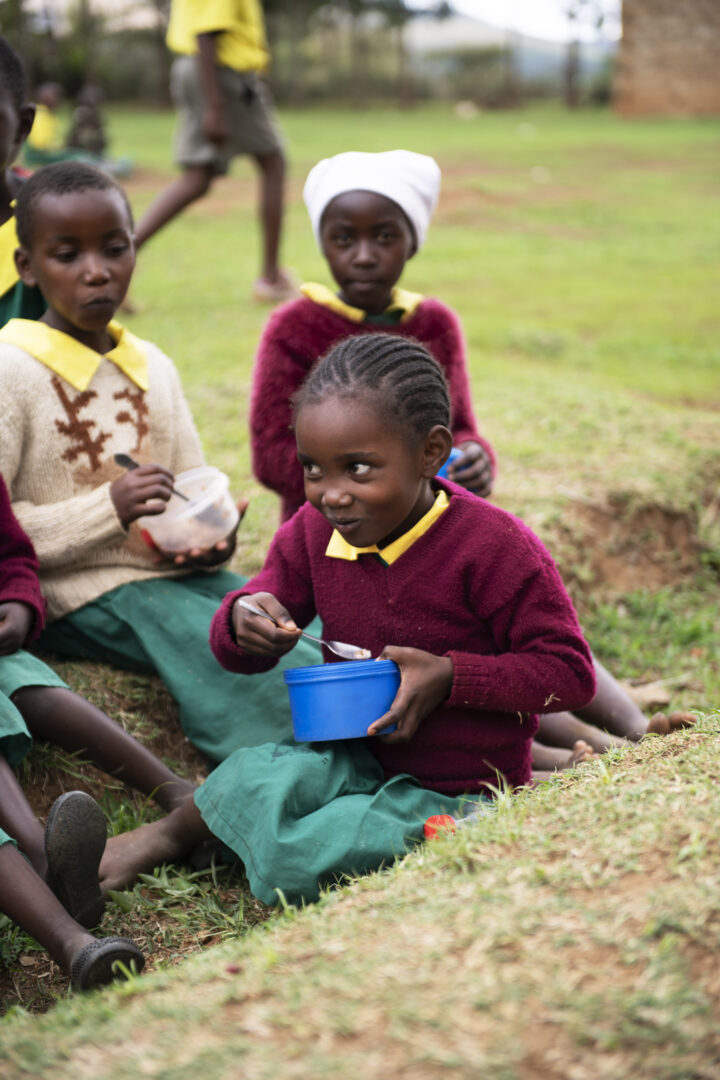
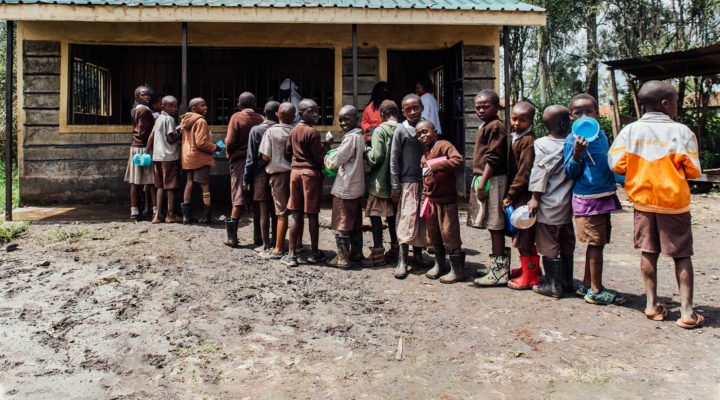
Thanks to nutritious porridge and a school lunch, these kids get healthy food and can go to school.
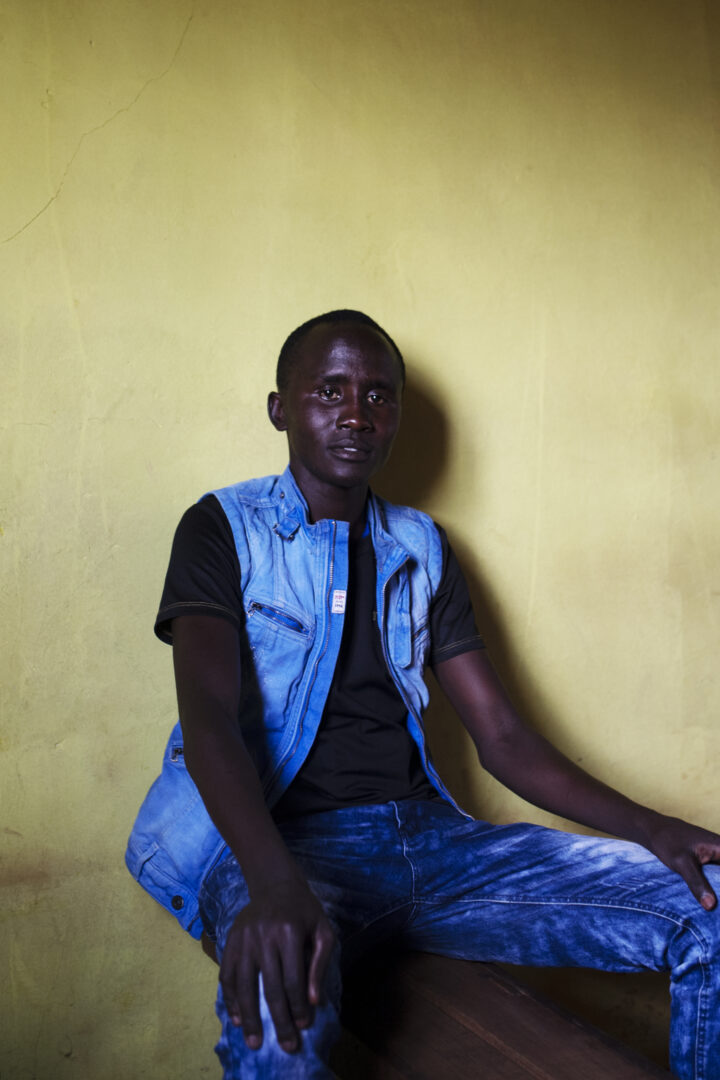
In 2006, John was among the first group of children to find temporary shelter in the children's home. He received…
Macheo focuses on the complete situation: what are the challenges, what is causing these challenges, which help is needed, who is best positioned to provide that help now and in the long run. From our “toolkit” we apply the most efficient and effective interventions for the specific situation. Through our monitoring & evaluation we verify if the help had the desired impact.
More about the Macheo-method– 1 –
Macheo helps vulnerable children and their families in the urban slums and rural areas around Thika, Kenya.
– 2 –
Macheo means ‘sunrise’ in Kiswahili. Sunrise means to us: to have as many children as possible to grow up happily in a safe, caring and stimulating environment that promotes the best of their potential.
– 3 –
We don’t believe in ‘one size fits all’ solutions: the challenges these children face deserve better and that is a tailor-made solution.
– 4 –
Wij don’t just help, but we first carefully identify the real need and root causes.
– 5 –
Following the needs identification, we identify which measures can be taken to address these needs and root causes. And who is best placed to provide these interventions? How can we organize the help in the most efficient way? This enables us to help more children with our scarce resources!
– 6 –
Are we effective? We want to know this exactly, so we measure before, during and after the effect our efforts have.
– 7 –
We will never compete with the government of Kenya. Wherever possible we work closely together. The most effective way in which we can help is to help people make use of what the government is providing.
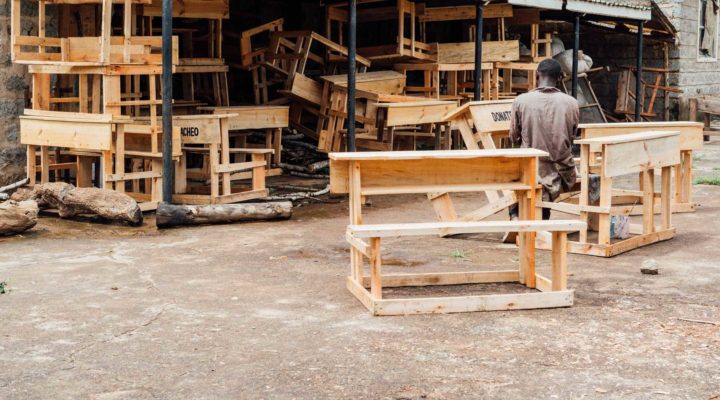
'Wij weten steeds beter hoe we het meest effectief te werk kunnen gaan. Help ons mee, zodat we geen nee…
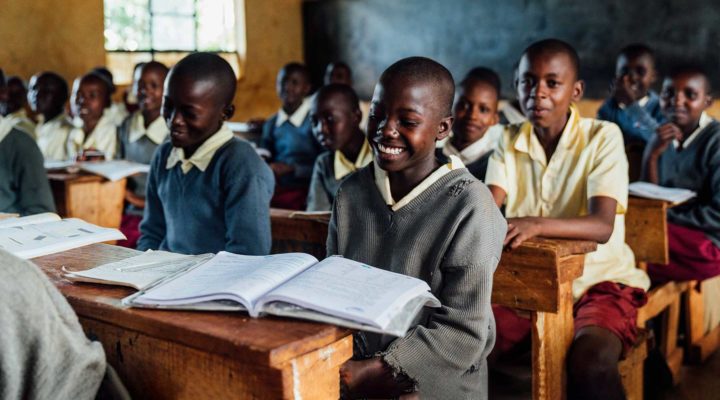
'Macheo helped me to develop myself'
'I admire their honesty and transparency'
Charitable work must be done with care! Have you become enthusiastic about the way we work too? Join us! We can achieve much more together.
More information Donate now